Culture & Wellbeing · 12 November 2026 · 5 min read
From Viral Stardom to Public Scrutiny: Elsa Majimbo's Emotional Confession Sparks Debate About Fame, Online Bullying and Influencer Culture
Elsa Majimbo’s account of loneliness and online criticism renews debate about internet fame, mentorship and the cost of living in public.

The supplied account describes an emotional Elsa Majimbo video about loneliness, online bullying and the personal toll of fame. Its specific publication date could not be independently established from the linked reports, which document her earlier 2024 dispute with Naomi Campbell.
That distinction matters: coverage of the earlier fallout provides background, but does not independently confirm every detail attributed to a newer video. The wider discussion concerns the pressures of internet fame and the effect of relentless personal commentary.
A Public Fall From Grace?

Majimbo's rise to fame was nothing short of extraordinary.
During the COVID-19 pandemic, her humorous lockdown videos attracted millions of viewers worldwide and transformed her from a Kenyan teenager into an internationally recognised personality.
Major brands, celebrity endorsements, magazine covers and invitations to exclusive events soon followed.
However, as her profile grew, so did scrutiny of her personal life and career decisions.
Many online commentators have suggested that her public image changed significantly after relocating to Los Angeles and becoming more closely connected to celebrity circles.
Critics argue that some of her content evolved from relatable comedy into a lifestyle-focused brand that many followers found difficult to connect with.
Whether fair or not, that perception appears to have contributed to a growing disconnect between Majimbo and sections of her original audience.
The Naomi Campbell Fallout
A major turning point in public discussions surrounding Majimbo came in 2024 when she publicly addressed her relationship with Naomi Campbell.
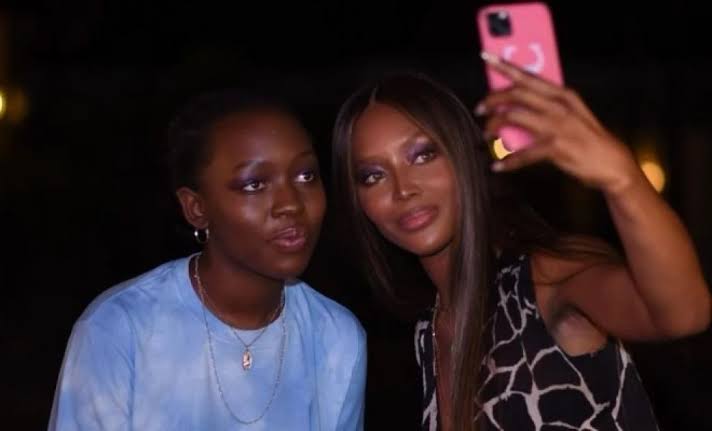
The pair were once viewed as close friends and collaborators.
Their friendship attracted significant media attention as Campbell appeared to mentor the young influencer while introducing her to influential figures in fashion and entertainment.
However, the relationship later deteriorated.
In videos and social media posts, Majimbo described feeling controlled and uncomfortable within the friendship.
She alleged that Campbell attempted to take credit for aspects of her career development and suggested that the relationship had negatively impacted both her personal wellbeing and professional opportunities.
Campbell has not publicly endorsed those allegations.
The fallout generated widespread attention, dividing opinion among fans and industry observers.
Some praised Majimbo for speaking out against someone perceived as more powerful and influential, while others questioned the decision to publicly discuss the dispute.
BBC News Pidgin and The South African reported Majimbo’s account in February 2024. These are her claims about the relationship, not established findings against Campbell; the linked coverage does not supply a substantive response resolving them.
An Emotional Appeal for Empathy
In the supplied account, Majimbo describes spending much of her time alone and feeling judged by strangers online. Those reported comments should not be treated as a medical assessment or as evidence for rumours about her health or private life.
Whatever viewers think of an influencer’s public persona, personal criticism does not justify harassment. Public success is no guarantee of a strong support network.
Why the Internet Is Divided
Perhaps the most revealing aspect of the controversy has been the mixed public reaction.
While some social media users expressed concern for Majimbo's wellbeing, others argued that the backlash she currently faces is partly linked to the image she cultivated during the height of her success.
Across various online platforms, critics have accused the influencer of appearing dismissive of ordinary people, flaunting wealth excessively, or distancing herself from the audience that initially helped make her famous.
These perceptions, rather than the emotional video itself, appear to be driving much of the scepticism surrounding public reactions to her recent statements.
This divide reflects a recurring theme in modern influencer culture: audiences often form powerful emotional connections with personalities they discover online, but those relationships can change quickly when followers feel an influencer has lost authenticity or become disconnected from their roots.
The Hidden Cost of Influencer Fame
The Majimbo story is also part of a broader conversation about the psychological impact of social media fame.
Unlike traditional celebrities who often have teams of agents, publicists and advisors to manage public perception, many influencers achieve global visibility rapidly without the same support structures.
The pressure to remain relevant, maintain engagement and withstand constant criticism can become overwhelming.
Mental health experts have increasingly warned about the impact of persistent online harassment, cyberbullying and public scrutiny, particularly for individuals whose careers depend on maintaining a visible online presence.
For many influencers, the same platforms that create fame can also become a source of significant emotional stress.
A Cautionary Tale for the Digital Age
Whether one agrees with Majimbo's critics or sympathises with her current struggles, her situation highlights the volatility of internet fame.
In a matter of a few years, she went from being one of Africa's most celebrated social media success stories to someone publicly discussing loneliness, criticism and emotional exhaustion.
Her experience serves as a reminder that public success does not necessarily guarantee personal fulfilment and that online audiences often see only a fraction of the reality behind carefully curated social media profiles.
As debates continue over celebrity influence, online accountability and mental health in the digital era, Majimbo's latest comments have become more than a personal confession.
They have evolved into a wider conversation about how social media builds public figures up, and how quickly those same platforms can turn against them.
Conclusion
Elsa Majimbo's emotional appearance has reopened old conversations about celebrity culture, online bullying, mentorship, influence and public perception.
While opinions remain divided on her past behaviour and career choices, the reaction to her recent video highlights an uncomfortable reality of modern life: social media fame can be both empowering and deeply isolating.
For now, supporters hope the influencer can find stability and support away from the constant pressures of the internet, while critics continue to question the role she may have played in shaping the public image she now struggles to escape.
Editorial note
Disclaimer: This article is based on publicly reported claims, interviews, social media statements and media coverage.
Allegations and personal claims referenced remain the responsibility of those making them and should be considered within the context of ongoing public discussion.