Commentary & Justice · 12 November 2026 · 5 min read
Andrew Tate, Russell Brand and the Online Battle Over Accountability
Andrew Tate’s support for Russell Brand puts influencer commentary, historic allegations and the limits of online legal debate under the spotlight.
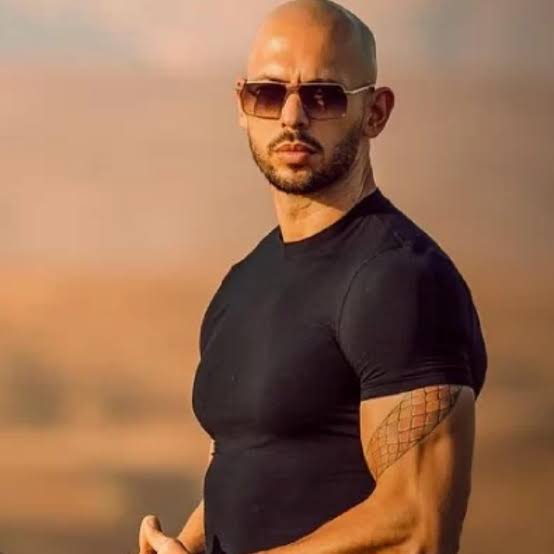
Andrew Tate’s public support for Russell Brand has returned to discussion alongside reporting on Brand’s legal case. The available coverage includes earlier comments being recirculated, rather than establishing a new Tate post issued immediately after the latest court developments.
That distinction is important when discussing how influencers shape public understanding of allegations, consent and due process. This article examines those competing narratives without presenting the timing or wording of an unverified post as fact.
Earlier support returns to the conversation
The Tab’s 11 November coverage discusses Tate’s earlier support and comments by his brother Tristan. Separate Searchlight commentary on 5 November described a lack of new public responses from several supporters. These reports do not establish the immediate reaction asserted in the supplied account.
Without a verified original post and timestamp, claims that Tate responded within hours, or that a specific message generated thousands of replies, should not be treated as established. The broader debate over historic allegations and legal evidence remains worth examining.
The Battle Over Public Narratives
One of the recurring themes emerging from online discussions is the clash between two competing narratives.
On one side are those who argue that powerful institutions, governments, media organisations and legal authorities have become increasingly willing to target controversial public figures.
On the other are those who believe that many high-profile personalities are facing scrutiny simply because alleged victims now feel more empowered to come forward than they did decades ago.
This divide has become particularly visible in cases involving celebrities, influencers and internet personalities who have built large audiences by portraying themselves as outsiders challenging mainstream institutions.
When legal allegations emerge against such figures, supporters often interpret investigations as politically motivated attacks.
Critics argue that this narrative can distract from the substance of allegations themselves.
Why Consent Remains Central
Legal experts frequently stress that criminal proceedings involving sexual offences are ultimately determined by evidence rather than social media narratives.
In many cases, evidence can include witness testimony, medical records, forensic findings, digital communications, documentary records, expert evidence, and statements made by those involved.
While online commentators often reduce cases to a single piece of evidence or a single allegation, courtroom proceedings are typically far more complex.
The challenge is that social media conversations rarely reflect the nuance found inside a courtroom.
Instead, public debate often becomes dominated by hashtags, short videos, viral posts and emotionally charged commentary that can leave little room for legal complexity.
The Wider Significance of Tate's Intervention
What makes Tate's reaction noteworthy is not simply the content of his comments, but who is making them.
Over the last several years, Andrew Tate and his brother Tristan Tate have become central figures in online debates surrounding masculinity, relationships, gender politics, free speech and authority.
The brothers have built a massive global audience while also facing significant legal scrutiny in multiple jurisdictions.
Throughout that process, they have consistently argued that allegations against them are politically motivated and designed to silence their influence.
Because of this background, many observers viewed Andrew Tate's response to the Brand case through a different lens.
Critics suggested his comments reflected broader concerns about the legal environment surrounding public allegations.
Supporters argued that Tate was highlighting what they see as flaws in modern legal processes.
Either way, the intervention ensured that the conversation expanded far beyond Russell Brand himself.
Celebrity Culture and the Accountability Debate
The public response also highlights a growing shift in how society views celebrity accountability.
For decades, fame often acted as a protective barrier.
Wealth, influence and powerful connections could shape public narratives and sometimes discourage scrutiny.
Today, however, social media, digital evidence, investigative journalism and changing public attitudes have transformed that landscape.
Powerful individuals are increasingly finding themselves confronted by allegations that might previously have remained private or ignored.
That shift has led some commentators to describe the current period as a broader cultural reckoning across entertainment, politics, sport and online media.
Whether one agrees with that assessment or not, it is undeniable that public expectations surrounding accountability have changed dramatically.
Principle, politics and speculation
A person’s motives cannot be established from an online reaction alone. Supporters may see a defence of legal principles, while critics may see a public narrative that distracts from allegations and evidence.
Neither interpretation proves why Tate expressed support. His own legal circumstances are separate from Brand’s and do not determine the facts of Brand’s case.
The Power of Online Influence
Perhaps the most revealing aspect of the episode is the extent to which social media personalities now shape public understanding of legal events.
In previous decades, major criminal proceedings would largely have been interpreted through newspapers, television reports and legal commentators.
Today, influencers, podcasters, social media creators and independent online personalities often have audiences that rival traditional media outlets.
Their interpretations can significantly influence how followers understand complicated legal developments.
That influence carries both opportunities and risks.
While alternative voices can broaden discussion, they can also contribute to misinformation, selective interpretation of facts or emotionally driven narratives that overshadow evidence-based analysis.
Conclusion
Andrew Tate's reaction to the ongoing controversy surrounding Russell Brand has become a story in its own right, highlighting how celebrity legal cases increasingly evolve into wider cultural battles over accountability, influence and public perception.
The debate is no longer just about one individual or one court case.
It has expanded into a broader discussion touching on due process, historic allegations, power, media influence and the responsibilities of public figures with enormous platforms.
As legal proceedings involving high-profile personalities continue to dominate headlines, one thing is becoming increasingly clear: in the age of social media, courtroom battles are often accompanied by parallel battles for public opinion.
Editorial note
Disclaimer: This article discusses public allegations, legal commentary and ongoing proceedings.
Individuals mentioned are entitled to the presumption of innocence unless and until proven guilty in a court of law.
Readers should distinguish between commentary, allegations, court findings and verified facts.